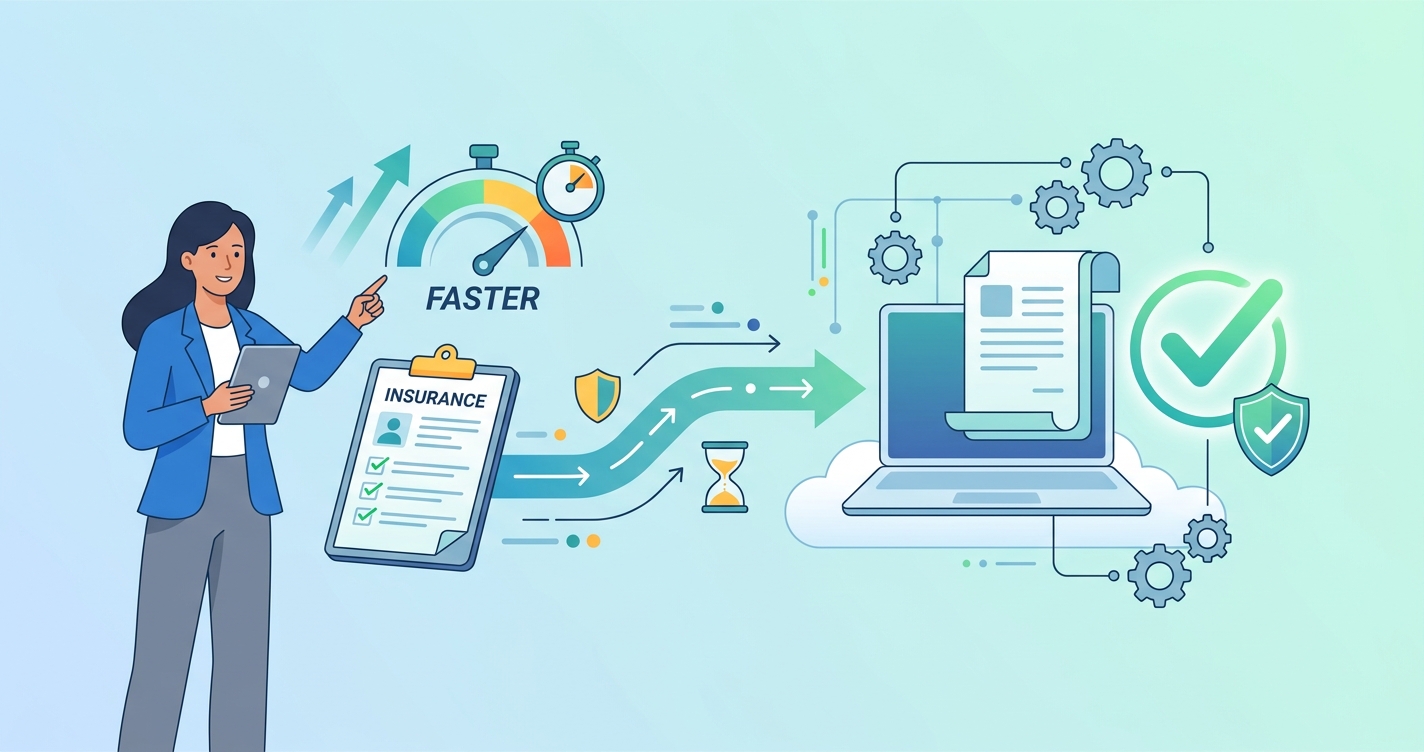

Can life insurers really approve me in minutes?
Can life insurers really approve you in minutes? This analysis explains when instant life insurance decisions are real, and when fast approvals still fall apart.
Insights on health technology, vitals monitoring, and wellness from the TryHealthScan team.

Can life insurers really approve you in minutes? This analysis explains when instant life insurance decisions are real, and when fast approvals still fall apart.

What’s the catch with no medical exam insurance? This analysis explains the tradeoffs in speed, pricing, coverage limits, and hidden underwriting checks.
Why can some people get instant coverage while others still need a nurse visit? This analysis explains underwriting triage, data checks, and why some cases still fall out of the fast lane.

How do I actually get instant-decision life insurance? This analysis explains accelerated underwriting, who qualifies fastest, and which signals carriers review.

Early mortality data from accelerated underwriting programs is finally maturing. Here's what the numbers actually show and where carriers stand heading into 2026.

Reinsurers evaluating biometric underwriting programs focus on data quality before anything else. Here's what they actually look at and why it matters for your accelerated program.

A digital health waterfall determines which underwriting data sources get pulled first. The order matters more than most carriers realize for speed and cost.

Fluidless underwriting solution strategies for borderline risk cases--how carriers triage, stratify, and resolve substandard applicants without fluid testing.

Actuarial pricing models for biometric-only underwriting require new credibility frameworks, mortality assumptions, and data validation. Here's how the math is changing.

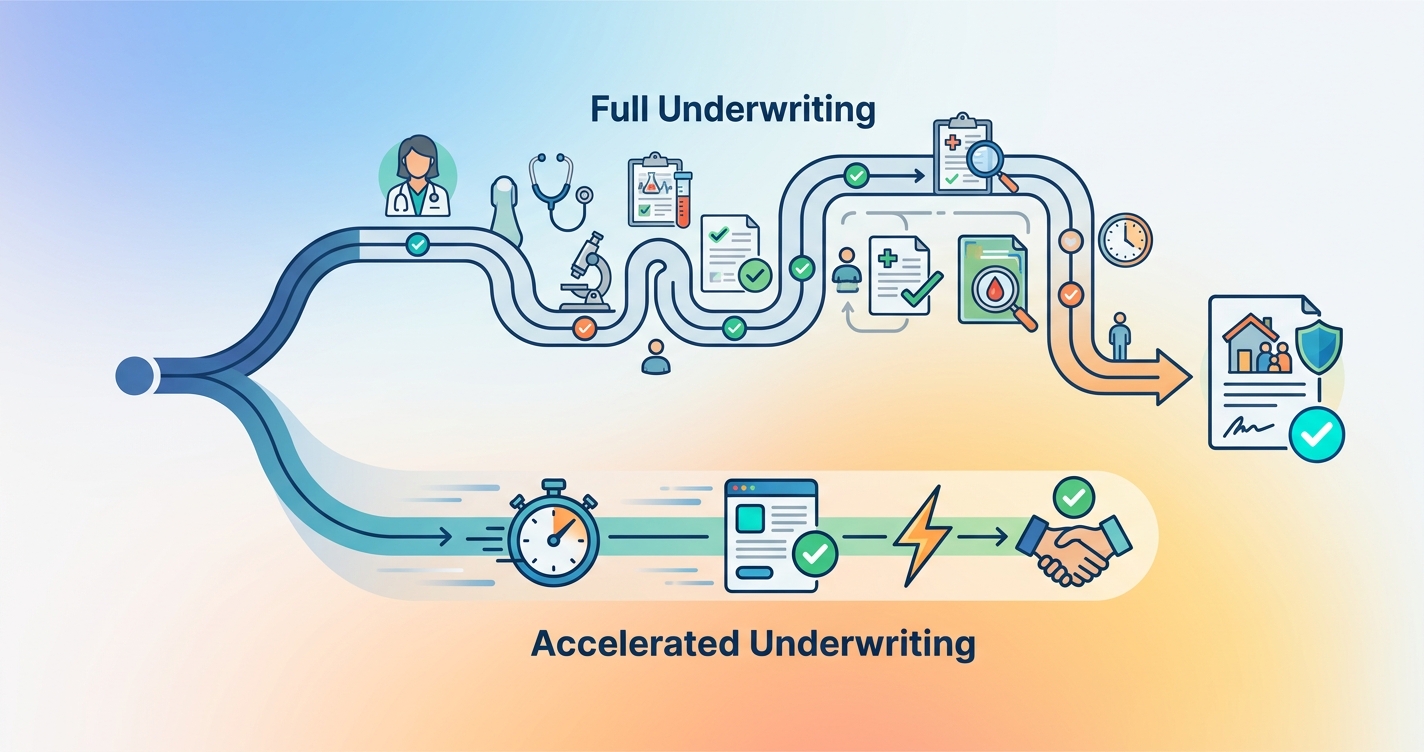
Full underwriting vs accelerated underwriting paths serve different purposes. Learn when carriers should route applicants to each path and how biometric data is changing triage logic.

Six architecture patterns that power scalable instant issue life insurance platforms, from event-driven underwriting to biometric data pipelines.

Knock-out criteria in underwriting determines which applicants get fast-tracked and which get flagged. Digital vitals data is changing how these triage rules work in 2026.

Override rates quietly erode the ROI of accelerated underwriting programs. Here's what drives manual escalation and how carriers are bringing those numbers down.

Setting accelerated underwriting eligibility thresholds with biometric data requires balancing acceleration rates, mortality slippage, and face amount limits. Here's how carriers are doing it.

How life insurance carriers use A/B testing to compare digital and traditional underwriting, with real data on placement rates, mortality slippage, and cycle times.

A framework for building the business case for accelerated underwriting technology, covering cost models, placement rate data, mortality risk, and what boards actually want to see.

How digital health data from EHR, prescription databases, and MIB checks combine to reshape life insurance underwriting workflows and risk assessment.

A practical guide to navigating digital health underwriting compliance, covering NAIC AI guidelines, biometric privacy laws, and state-level regulatory frameworks for insurers.

How the underwriter role is changing by 2030 as AI, remote biometrics, and predictive analytics reshape life insurance risk assessment and workforce demands.

How contactless vitals technology is changing high-net-worth life insurance underwriting, replacing invasive exams with smartphone-based health screening for affluent applicants.

Measuring accelerated underwriting ROI requires tracking the right metrics across cost, speed, placement, and mortality. Here's what carriers actually track and what the numbers say.

How combining behavioral and biometric data creates stronger risk assessment models for life insurance underwriting in 2026.

How carriers build reinsurer confidence in digital underwriting programs through data transparency, mortality evidence, and post-issue audit frameworks.

Digital underwriting faces unique challenges in the senior market. Age-specific health complexity, technology adoption gaps, and regulatory constraints all change the calculus for carriers.

When an insurance applicant fails a digital health screen, the underwriting process doesn't end. Here's what actually happens next and why the fallout rate matters.

An analysis of fluidless underwriting programs examples in 2026, covering carrier implementations from MassMutual to Banner Life and the mortality data behind them.

Simplified issue vs accelerated issue technology--how the underwriting paths differ, where they're converging, and what carriers should know in 2026.

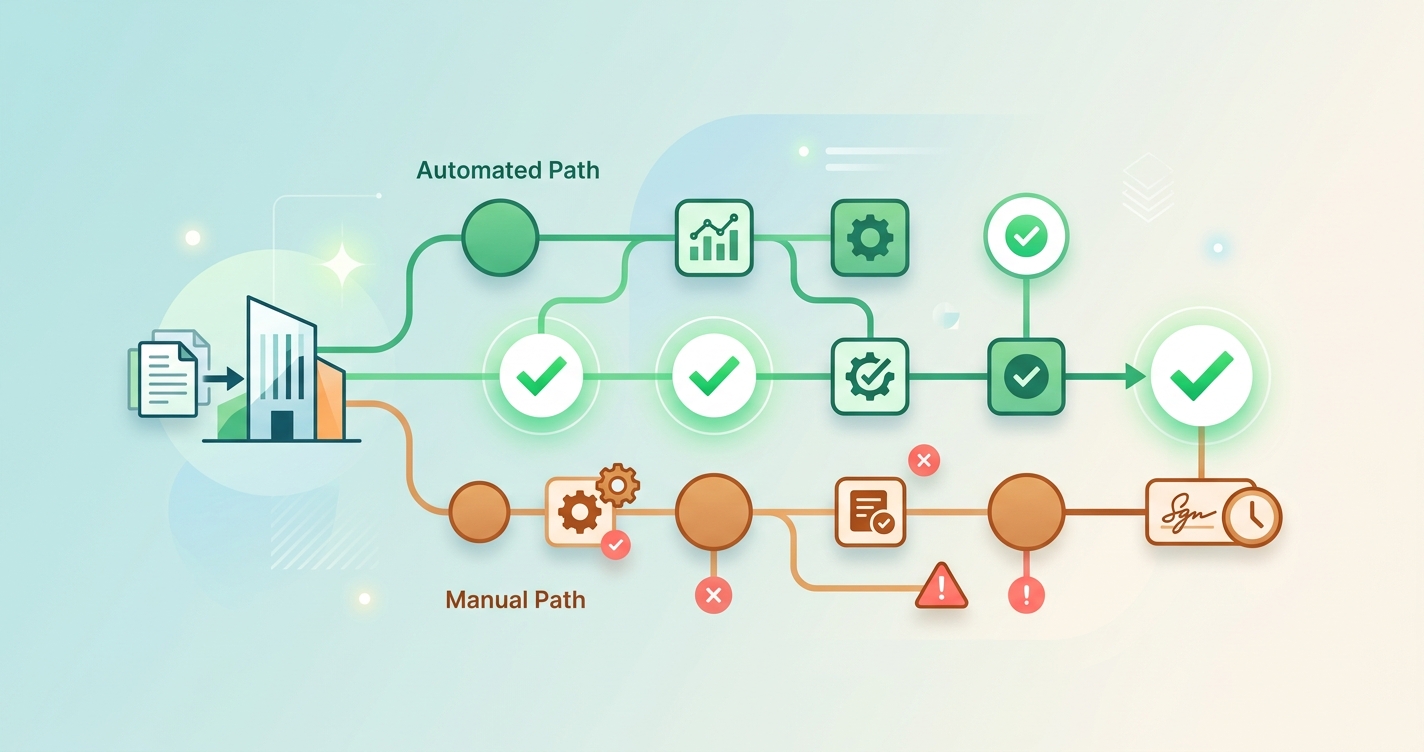
Straight through processing in underwriting promises automated policy decisions without human touch. Here's where STP actually stands in 2026 and what's still missing.

Learn how accelerated underwriting works in 2026, from data-driven risk models to real-time decisioning that replaces traditional medical exams.

How reinsurers price digitally underwritten life policies--treaty structures, mortality assumptions, and the data quality frameworks shaping reinsurance terms.

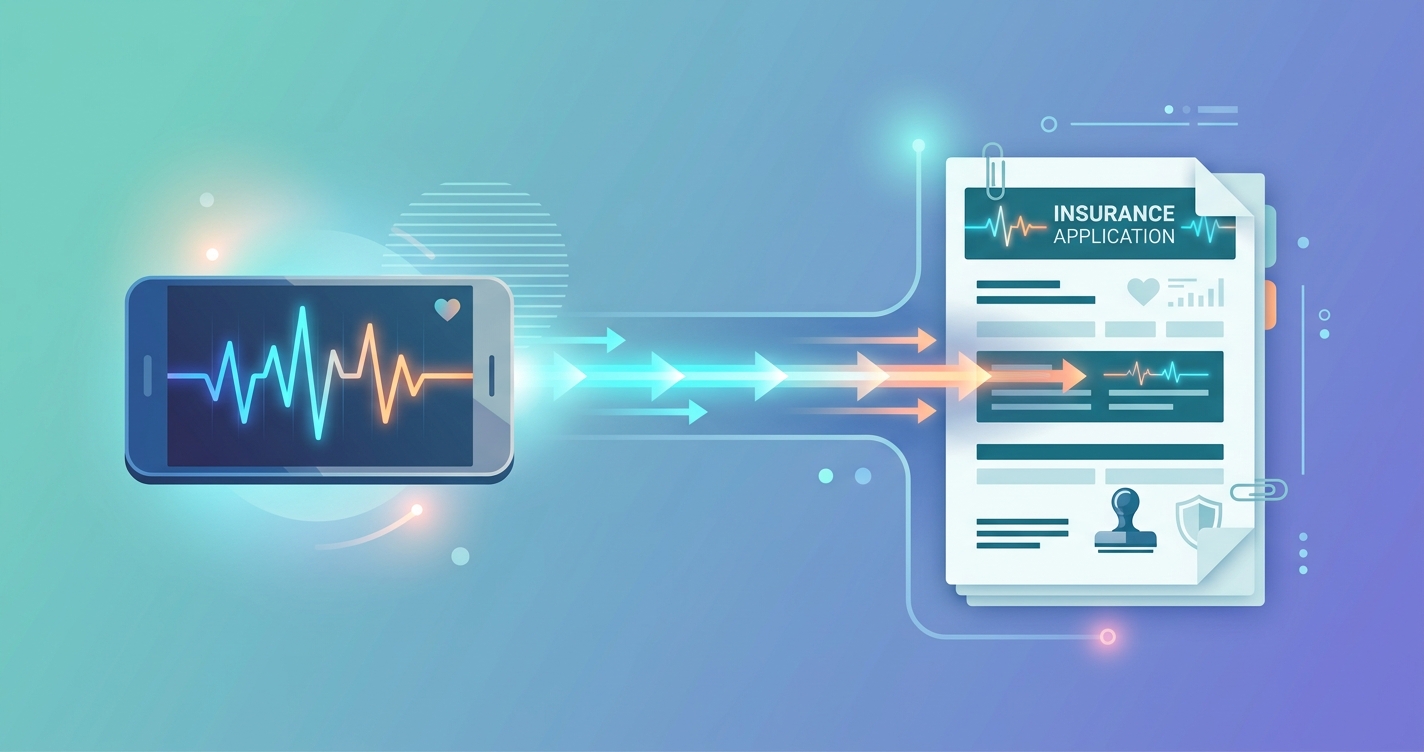
How instant-issue platforms use biometric data from rPPG and wearables to replace questionnaires and strengthen underwriting risk models.

How CUOs are adopting digital health tools to modernize risk assessment, close the verification gap, and drive measurable underwriting performance improvements.

Biometric data vs questionnaires in underwriting--why objective physiological measurement outperforms self-reported health data for mortality risk.

What actuaries think about contactless health data--how remote biometric signals are reshaping mortality models, pricing assumptions, and experience analysis.